Spring fieldwork pushes engines hard, and the fuel in the tank makes a real difference. Here's what separates premium diesel from standard No. 2 — in plain language.
Tri-County Co-op · May 2026
By May, western Minnesota is in full swing. Planters are rolling, tillage is happening, and equipment is running from first light until well after dark. When you're asking that much of your engines, the diesel in the tank stops being just fuel and starts being part of how you protect your equipment.
"Premium diesel" gets used loosely, so it's worth knowing what the term actually covers. There are four properties that separate a premium fuel from standard No. 2, and each one does a specific job.
Cetane number measures how quickly diesel ignites once it's injected into the cylinder. It's the diesel world's rough equivalent of octane, though it measures nearly the opposite thing.
A higher cetane number means a shorter delay between injection and ignition. That shorter delay is what you feel as easier starting, smoother running, and less of that hard diesel clatter. Standard No. 2 typically lands in the low-to-mid 40s; premium fuels are generally formulated higher.
On a cold spring morning when equipment has sat overnight, that difference is the one you notice first.
This one is worth understanding, because it's a genuinely modern problem.
Diesel fuel doesn't just burn — it lubricates the fuel pump and injectors as it passes through. When sulfur was pulled out of diesel to meet ultra-low sulfur standards, the refining process that removed it also stripped out much of the fuel's natural lubricity.
Premium fuels add lubricity improvers back in to make up the difference. That matters more than it used to, because modern high-pressure common-rail systems run at enormous pressures with very tight tolerances — and those components are not cheap to replace.
Injectors spray fuel in a precise pattern, and that pattern is what makes combustion efficient. Deposits build up on injector tips over time and distort it — which shows up as lost power, worse fuel economy, and more smoke.
Detergent additives are designed to keep those deposits from forming and to clean up what's already there. It's slow, unglamorous protection, and you mostly notice it by the problems you don't have.
Premium fuels typically include demulsifiers, which help water separate out of the fuel so your filter and separator can do their job instead of letting water reach the injection system.
Many also carry stability additives that slow the oxidation that turns stored fuel dark and gummy. If fuel sits in your bulk tank between seasons, that's not a small detail.
Running low mid-field is the last thing you need during planting. Ask about bulk delivery straight to your farm — call 320-324-7151 and we'll keep you topped off.
Premium diesel costs more per gallon. The fair question is whether the difference earns its keep.
The math usually turns on what a problem costs you rather than what the fuel costs. During the planting window, an afternoon lost to a plugged filter or a fuel system issue isn't measured in shop dollars — it's measured in acres you didn't get planted, on a day the weather was actually cooperating.
The more of those describe your operation, the more the premium tends to make sense.
Different work calls for different fuel — off-road equipment, over-the-road trucks, and cold-weather running all have different needs. As a Cenex co-op, we're glad to help you sort out which product fits which machine so you're not guessing when the season gets busy.
Give us a call and we'll go over what we've got and what makes sense for your operation.
Buying your diesel from a local co-op means more than a full tank. Your energy dollars stay in the community, and you're working with folks who understand what a western Minnesota spring actually asks of your equipment.
It also means someone picks up the phone when you call — not a call center three states away.
Tri-County Co-op supplies bulk fuel to farms in Chokio, Graceville, Wheaton, Dumont, and the surrounding areas.
Wherever your fields are, we'd be glad to keep you running.
Tri-County Co-op helps western Minnesota farmers get the most out of every hour in the field. Call ahead, fill up, and let's make it a good season.
Email: office@tricountyco-op.com
Learn more: tricountyco-op.com
📞 Call 320-324-7151Cenex® branded propane retailer
Applications & uses
Furnaces, water heaters, fireplaces, cooking, and backup generators. Automatic delivery scheduling available.
Grain dryers, irrigation engines, livestock building heat, and portable farm equipment. Bulk delivery, competitive ag pricing.
Forklifts, generators, fleet vehicles, laundry & food service. High-volume contracts and dedicated account management.
Grills, fire pits, patio heaters, and portable cylinders. Cylinder exchange available in-store — no delivery needed.
Delivery programs
We track your usage and schedule delivery before you run low. No calls, no worrying, no running out. Best for primary home heating.
You monitor your gauge and call when ready. Order at 20–30%. Typical 2–3 business day turnaround. Emergency same-day available.
Large-volume for grain dryers, livestock buildings, and farm equipment. Harvest-season priority scheduling. Ag-specific pricing.
New customer?
We work with licensed installers to get your tank set up. Call (320) 555-0197 and we’ll walk you through the process.
Safety guide
Propane has an added odorant (ethyl mercaptan) — it smells like rotten eggs or a skunk. Listen for hissing near appliances or the tank. Look for dead or discolored vegetation near buried lines. Frost on the outside of your tank can also indicate a problem.
Put out all flames immediately. Do NOT touch any electrical switches. Leave the building and leave the door open. Turn off the main valve on your tank if safe to do so. Call us and 911 from outside or a neighbor’s phone. Do not re-enter until cleared by emergency responders.
Never let your tank drop below 20% in winter. Keep snow and ice clear from tank vents, regulators, and lines. Do not use a heat gun or open flame to thaw frozen regulators — call us instead. Note: propane contracts in extreme cold, so your gauge may read lower than expected.
When a tank empties fully, air and moisture enter the lines. All appliances must be inspected and re-lit by a certified technician before use — this is a safety code requirement, not optional. Call us immediately at (320) 555-0197. We’ll deliver and send a technician for the re-light.
Have all propane appliances inspected by a licensed technician every year. Check that burner flames are steady blue — not orange or yellow. Install carbon monoxide detectors on every level of your home. Never attempt DIY repairs on gas lines or appliances.
Pricing programs
Propane prices fluctuate seasonally — rising in fall as winter demand builds. We offer programs to protect your budget.
Limited time
Pre-buy propane & lock in this season’s price before winter
Pricing varies by volume, delivery location, and program. Call us for a current quote — we’ll find the program that fits your needs and budget.
Frequently asked questions
Call when your tank gauge hits 20–30%. In winter, deliveries can take 2–3 business days, so don’t wait until it’s below 10%. Automatic delivery customers don’t need to monitor this — we handle it.
It depends on your original installation. Leased tanks are tied to a specific supplier. Owned tanks can be filled by any provider, including us. Check your installation paperwork, or call us at (320) 555-0197 — we’ll help you find out.
Yes, if you own your tank outright. We cannot fill tanks leased from another provider as those remain their property. Call ahead to confirm before scheduling your first delivery with us.
Residential deliveries typically have a 100-gallon minimum. For smaller tanks or unusual situations, call us — especially for first-time customers or emergency fills where we’ll do our best to accommodate you.
We use your usage history and weather data to estimate when you’ll need propane and schedule delivery proactively. You’ll receive a notification before we arrive. No calls or monitoring required on your end.
Residential tanks from 100 to 1,000 gallons, agricultural bulk tanks, and commercial tanks of various sizes. We also sell portable 20 lb, 33 lb, and 100 lb cylinders at our C-store location.
Request delivery
Fill out the form below and we’ll be in touch to confirm your delivery. Need it sooner? Call our propane line directly.
Or call our propane scheduling line: (320) 555-0197 · Available Mon–Fri 7am–6pm · 24/7 for emergencies
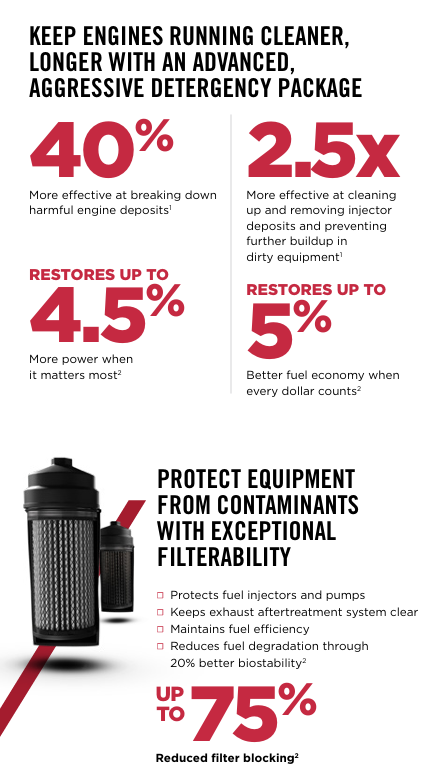
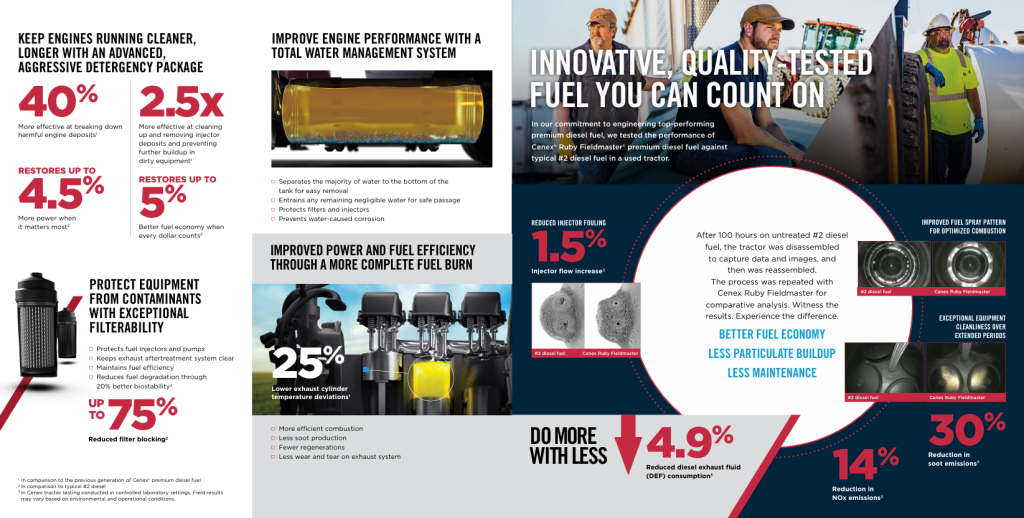
At breaking down harmful engine deposits1
When it matters most2
When every dollar counts2
In cleaning up and removing injector deposits and preventing further buildup in dirty equipment1
Fuel storage life than typical #2
Looking for an affordable, reliable energy source? Propane is a clean-burning fuel ideal for heating, cooking, hot water, and backup power—perfect for rural homes, farms, and small businesses.
💡 Why Choose Propane?
Lower emissions than oil or gasoline
Highly efficient energy source
Works during power outages
Safe and versatile—use it indoors and out!
🚚 We Deliver – In Bulk!
As a member of our oil co-op, you get competitive pricing on bulk propane deliveries—straight to your tank, when you need it. No middlemen, no hassle.
👥 Member-Owned, Community-Focused
Your energy dollars stay local, supporting neighbors and building energy independence for our region.

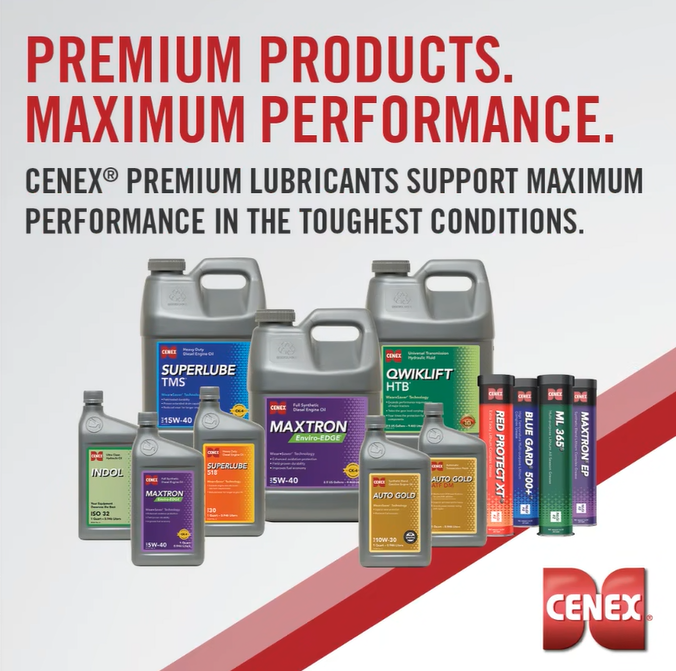
Cenex lubricants deliver superior protection and performance for engines and equipment. Formulated with advanced additives, they help reduce wear and extend equipment life.
Tri County Co-op has DEF available at the pump for quick, convenient access. Save time and stay compliant by filling up your diesel equipment or vehicles right here.

Lorem ipsum dolor sit amet, consectetur adipiscing elit. Ut elit tellus, luctus nec ullamcorper mattis, pulvinar dapibus leo.